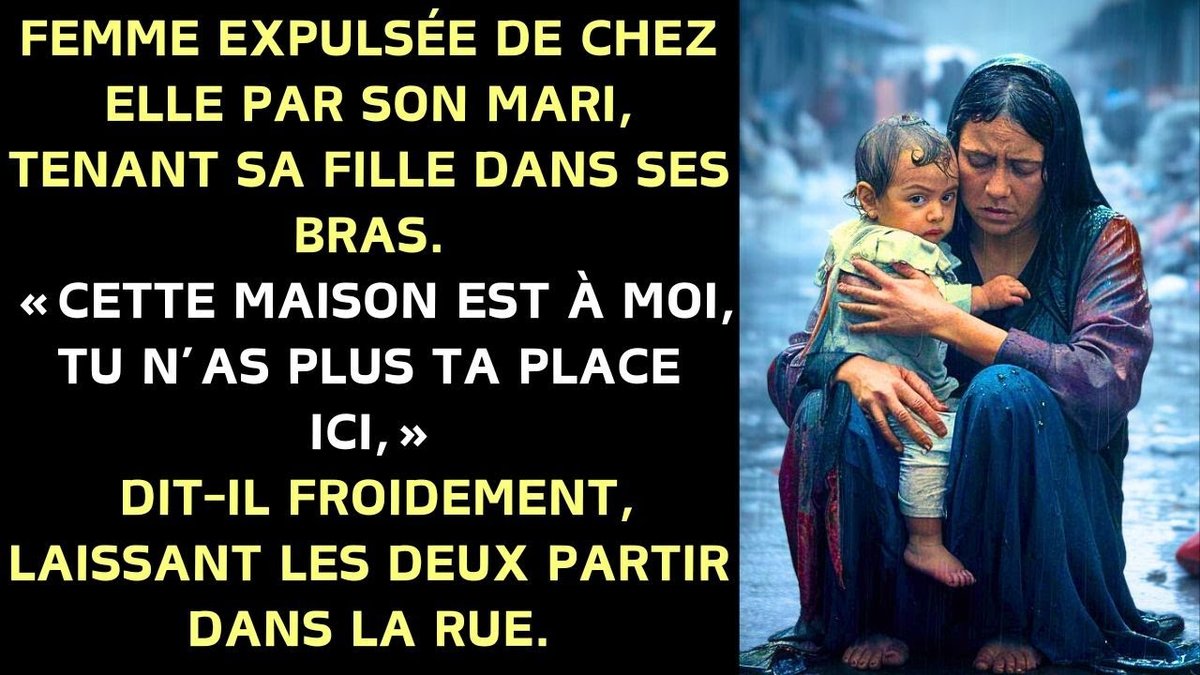
The word "expulsée" carries a heavy weight, translating from French to signify someone who has been expelled, deported, or evicted. But beyond a mere definition, for women, it often represents a profound rupture, a sudden severing from home, community, and stability. It's a term that encapsulates the stark reality of forced displacement, stripping away security and dignity with devastating speed.
This super pillar hub delves into the multifaceted implications of being expulsée, focusing particularly on the unique challenges faced by women. We aim to shed light on the often-hidden stories, legal complexities, and critical support systems involved when women are forcibly uprooted from their lives.
Understanding "Expulsée": More Than Just a Word
When we speak of a woman being expulsée, we're referring to a spectrum of forced removals – from eviction from her home due to economic hardship or legal disputes, to deportation from a country she considers home, or even expulsion from an institution or community. Each scenario, while distinct in its legal framework, shares a common thread: the trauma of being rendered homeless, stateless, or outcast. It's a situation that disproportionately impacts women, who often bear the brunt of social and economic vulnerabilities.
Understanding the specific triggers behind these upheavals is the first step toward finding solutions. Whether it's landlord-tenant disputes, financial crises, or policy shifts, the root causes are complex. To gain a deeper perspective on these foundational issues, we invite you to explore Comprendre lExpulsion Locative et ses. This guide dissects the primary reasons for rental expulsion, offering crucial context for anyone navigating or researching this challenging landscape.
The Unseen Burdens: Why Women Are Disproportionately Affected
The impact of being expulsée is rarely gender-neutral. Women frequently face exacerbated challenges dueowed to existing societal inequalities. Economic precarity, often linked to lower wages, part-time work, or informal employment, makes women more susceptible to rent arrears or inability to maintain property. Furthermore, single mothers are particularly vulnerable, as the loss of a home can directly translate into the disruption of their children's schooling, health, and overall well-being.
The threat of gender-based violence, lack of legal literacy, or cultural barriers can further complicate a woman's ability to seek help or defend her rights when faced with displacement. These intersecting vulnerabilities make the experience of being expulsée a uniquely difficult journey for many women, often leaving them with fewer resources and support networks to fall back on.
Navigating the Maze: The Legal and Emotional Journey
The journey of an expulsée woman is fraught with legal intricacies and profound emotional distress. From the initial notice to the final enforcement, the legal process can be daunting, confusing, and intimidating, especially for someone already grappling with uncertainty. The sheer volume of paperwork, court dates, and legal jargon can overwhelm even the most resilient individuals. Moreover, the emotional toll—stress, anxiety, fear, and a deep sense of loss—can be just as debilitating as the practical challenges.
It's vital to understand the precise stages and timelines involved in any forced removal process. Knowledge is indeed power when confronting such a formidable system. For a comprehensive breakdown of what to expect legally, you'll find invaluable information in our guide on La Procédure Légale dExpulsion: Étapes. This resource meticulously outlines each phase, empowering individuals with the understanding needed to navigate this complex legal terrain.
Finding a Foothold: Rights, Recourse, and Resilience
In the face of forced displacement, knowing one's rights is paramount. Many women find themselves in vulnerable positions, unaware of the legal protections available to them or the avenues for appeal. Whether it's challenging an unfair eviction, seeking legal aid for a deportation case, or advocating for safe housing, information and support can make a world of difference. Empowering women with knowledge of their legal standing and available recourse is a crucial step towards rebuilding their lives.
Understanding the specific legal options and support mechanisms can transform a seemingly helpless situation into one with potential pathways forward. To learn more about what protections exist and how to leverage them, our detailed guide on Droits et Recours de la offers essential insights into the rights and remedies available to those facing or recovering from expulsion.
Building Shields: Prevention and Community Support
Ideally, the threat of being expulsée should be addressed long before it escalates to a crisis point. Proactive measures, such as financial counseling, mediation services, and community outreach, can often prevent displacement by fostering amicable solutions between parties. For women, who might face unique barriers to accessing such services, targeted programs and supportive networks are particularly vital. These preventative efforts not only safeguard individuals but also strengthen the fabric of entire communities.
Beyond prevention, robust social aid and accompaniment programs are critical for those already facing the threat of losing their home. These services can include emergency housing, legal assistance, psychological support, and help in finding new, stable accommodation. If you're looking for strategies to mitigate the risk of forced displacement and find common ground, our resource Prevent eviction, find solutions Your guide offers actionable advice and pathways to resolution. For those already in dire straits, understanding the available safety nets is equally important; learn more about the critical lifelines offered by Aides Sociales et Accompagnement pour.
Ultimately, the goal is to ensure that no woman is left to face the harrowing experience of being expulsée alone. By understanding the causes, navigating the legalities, upholding rights, and building strong support systems, we can collectively work towards a future where forced displacement is a rarity, not a tragic reality, for women worldwide.